Restaurant Websites in Dubai: Menu, Booking and Delivery Without Chaos
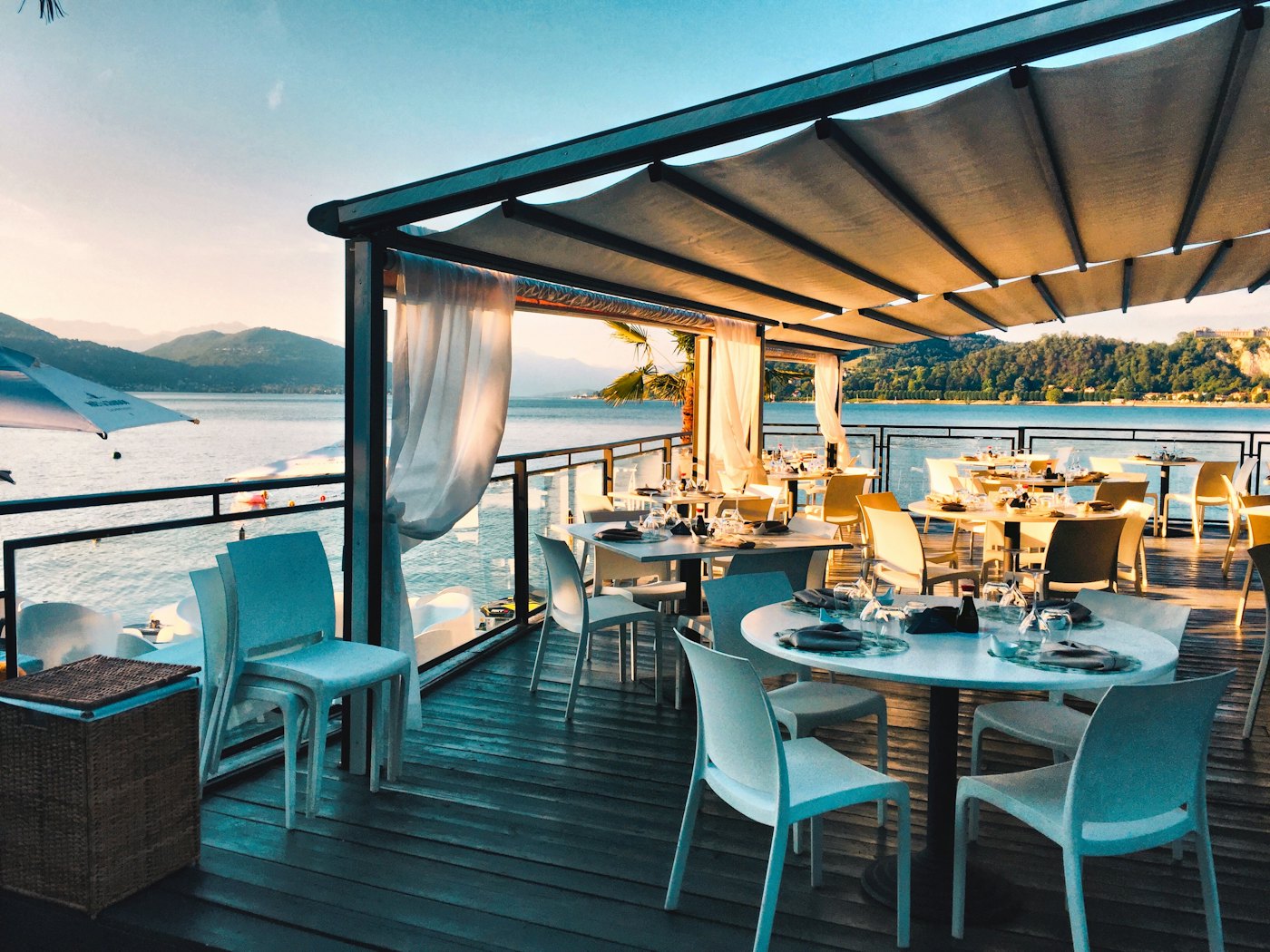
A restaurant site has one job before branding moodboards: tell a hungry person what you serve, whether you are open, and how to get a table or a bag. I still open Dubai F&B sites that fail all three. The Instagram is gorgeous. The website is a 2019 landing page with a PDF named menu-final-FINAL3.pdf.
Instagram will not save you when someone Googles the dish and your hours are wrong. The site is the thing they screenshot to the group chat.
The first screen for F&B
Cuisine, area, today’s hours, and two actions: Book and Menu (or Order). A loop of the dining room is fine if the type stays readable. A full-screen film that hides Friday brunch hours is not. Same five-second rule as any UAE homepage, just with hungrier users.
Put the kitchen’s real food on that screen. Stock pizza is how you lose the people who have eaten in JLT before. I argued this at length in real photos vs stock.
Menus that can change on a Tuesday
Chefs change plates. Websites that need a developer to change a price will drift from the pass. I build menus as HTML you can edit, grouped the way a guest reads (cold, grill, sweets), with AED and a VAT note. Allergens in a line under the dish, not a novel.
PDFs fail on cheap Androids, do not update in someone’s download folder, and give Google almost nothing to rank. If the owner insists on a designed PDF for print, we still keep a live HTML menu as the source of truth.
Booking vs walk-in vs WhatsApp
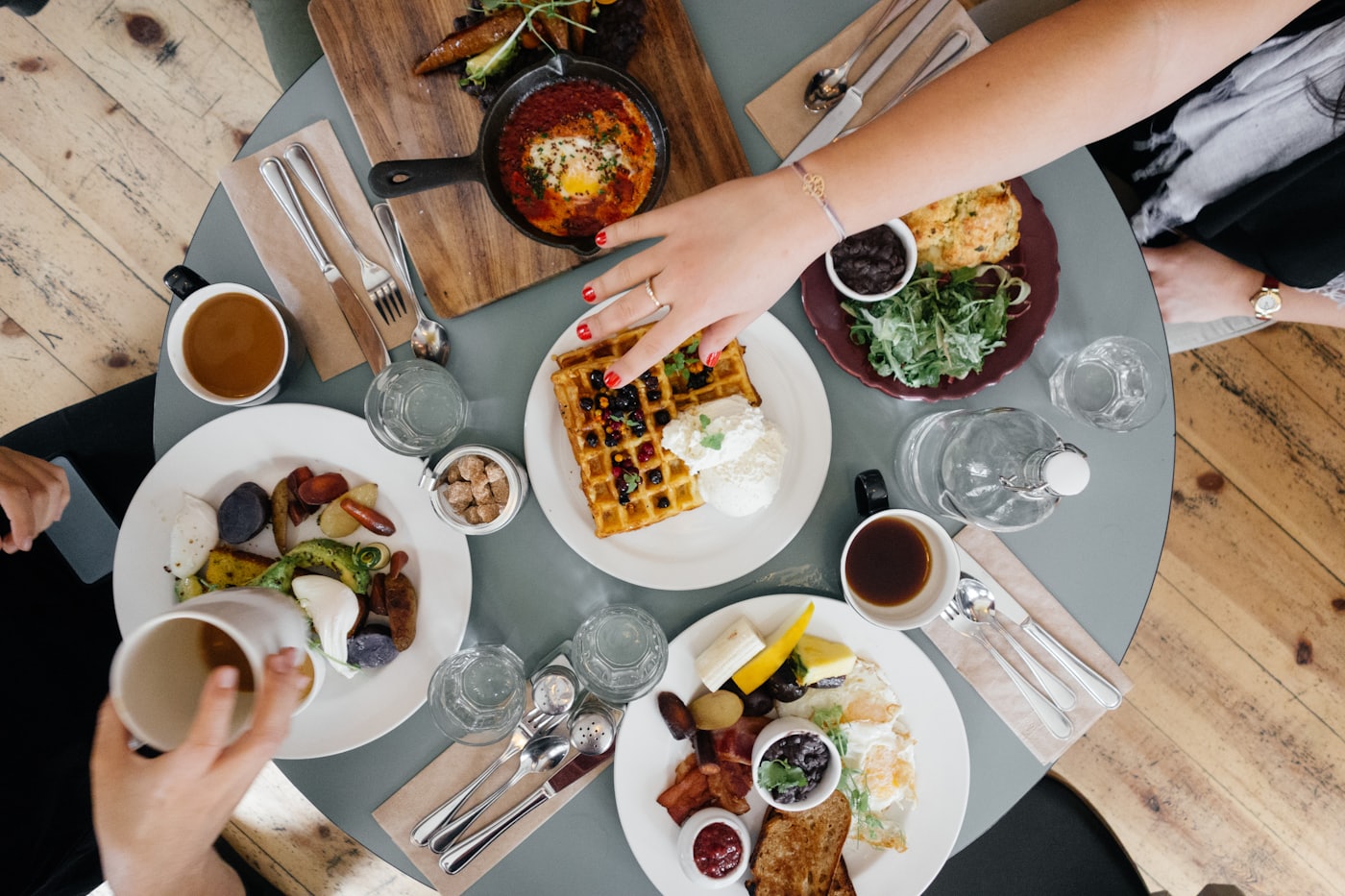
Fine dining and Friday brunch need a real booking tool or a host who lives on the inbox. Casual cafes can live on WhatsApp plus a “we don’t take reservations” line so people stop arguing with the site. Do not embed a calendar that always says fully booked because nobody marked the floor plan. See booking flows — restaurants have the same no-show physics, plus a waitlist.
Talabat, Deliveroo, or your own checkout
Aggregators take a cut and they already have the riders. Your own store makes sense when delivery is a real margin, you have modifiers that aggregators mangle, or you want the customer list. A half-store that cannot do “no onion” is how you get one-star food that was an order problem.
On day one I often deep-link the platforms and keep the website as the brand and the menu. When the numbers justify it, we add checkout with a UAE gateway, not a hobby cart. The broader store setup is in starting an online store in the UAE.
Hours, Ramadan and Google
Update the website and Google Business together. I have watched paid ads send people to a kitchen that closed an hour ago. In Ramadan, a dated iftar note and kitchen hours belong on the home for those weeks, then come down. I wrote a seasonal playbook in Ramadan and campaign updates.
Reviews: show a few that mention a dish or the view, and link the rest. The pattern is in reviews on the website.
Menu in a PDF and hours that lie? That is a week of work, not a rebrand.
Send the current menuWhat I refuse to build
Autoplay with sound. A splash page that asks “Dine / Order” and then dumps you somewhere without hours. Five popups (newsletter, app, cookies, age, chat) before the shawarma. If we need an age gate for a bar, it stays light.
A restaurant site can look expensive and still load on a phone in Al Quoz. That is the brief. Mood comes after the kitchen hours.
Frequently asked questions
Do I need my own ordering if I use Talabat?
Not at first. Use the site for menu, hours and booking. Add checkout when the commission or modifiers justify it.
Is a PDF menu OK?
As a backup. HTML you can edit is what guests and Google can use.
What about Ramadan hours?
Put the real kitchen hours on the site and on Google. Take the banner down when the month ends.
I’ll build a menu and booking path the floor can live with.
WhatsApp +971 52 486 7767